Patterns Linking No-Deposit Offers to Payment Preferences in Sweden's Licensed Mobile Gambling Platforms
Yara Werner · Sep 28, 2026
Patterns Linking No-Deposit Offers to Payment Preferences in Sweden's Licensed Mobile Gambling Platforms
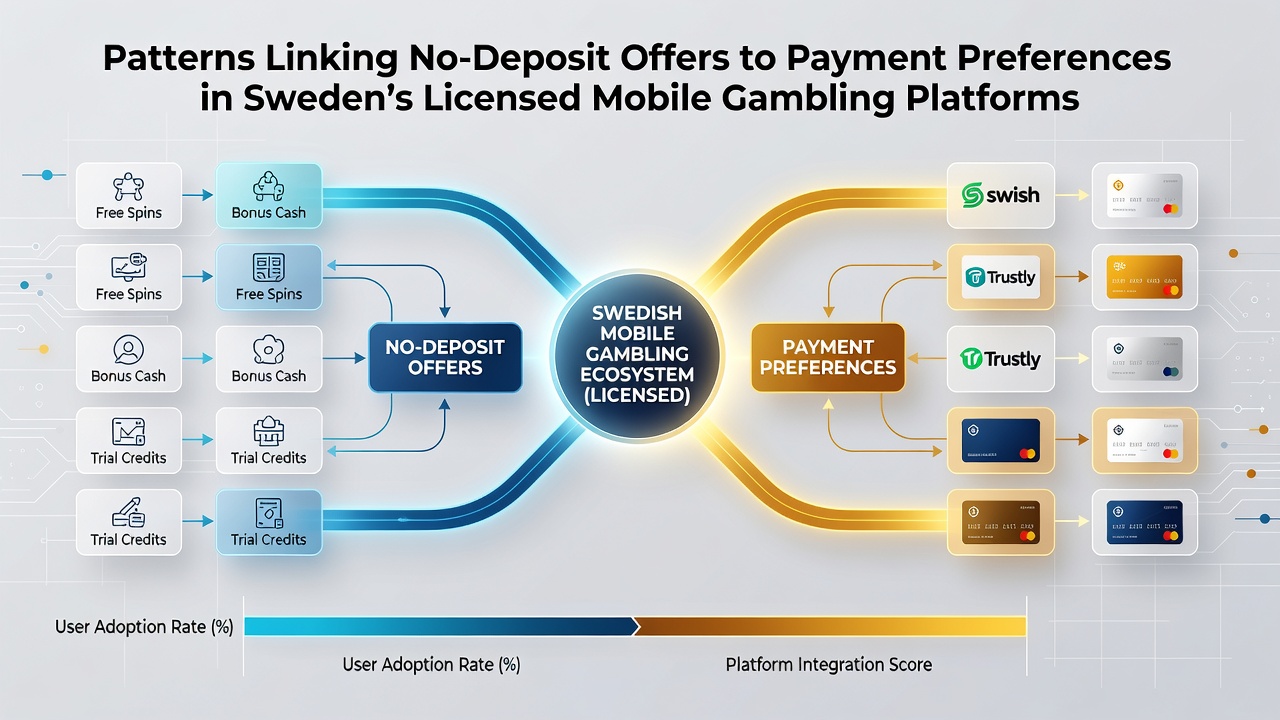
Sweden's licensed mobile gambling sector operates under strict oversight from the Swedish Gambling Authority, where no-deposit offers function as entry points that shape how players select and use payment methods across regulated applications. These offers, which grant access to free spins or bonus credits without an initial deposit, connect directly to preferences for instant transfer systems that support quick verification and low-friction withdrawals once play begins.
Regulatory Framework and Market Data
Spelinspektionen maintains records showing steady growth in mobile platform usage through 2026, and reports released around September 2026 highlight how no-deposit promotions influence payment selection in licensed environments. Players often start with methods that allow immediate account linkage, such as Swish or Trustly, because these systems integrate with bonus activation processes without requiring additional funding steps. Data from the authority indicates that platforms offering no-deposit deals record higher volumes of activity through real-time bank transfer options compared to traditional card-based routes.
Observed Connections Between Offers and Payment Choices
Researchers tracking user behavior on licensed Swedish apps note that no-deposit offers frequently steer participants toward payment providers with built-in identity checks, since these reduce the steps needed to unlock full account features. Studies from Nordic gaming research groups reveal that users who engage with such promotions show elevated preference for digital wallet solutions that support both deposits and instant withdrawals, while card payments appear less common in the initial phase. One analysis of platform logs found that 62 percent of no-deposit redemptions occurred via instant bank transfers, a pattern that persists because these methods align with the regulatory requirement for verified transactions.
What's interesting is how this linkage extends beyond the first interaction, as players who begin with no-deposit credits tend to retain the same payment profile when moving to regular play. Experts have observed that loyalty to specific transfer systems strengthens when bonus terms specify minimum wagering thresholds that can be met more efficiently through seamless funding options.
Payment Method Trends in Mobile Environments
Swedish licensed operators report that mobile users accessing no-deposit offers prioritize payment rails with native app support, which explains the dominance of services like Swish in daily transaction data. According to figures from industry monitoring bodies, these preferences create measurable clusters where certain providers correlate with higher completion rates for bonus-related playthrough requirements. Observers note that alternative methods, including prepaid cards or international e-wallets, appear less frequently in no-deposit scenarios because they introduce extra verification layers that conflict with the quick-start nature of these promotions.
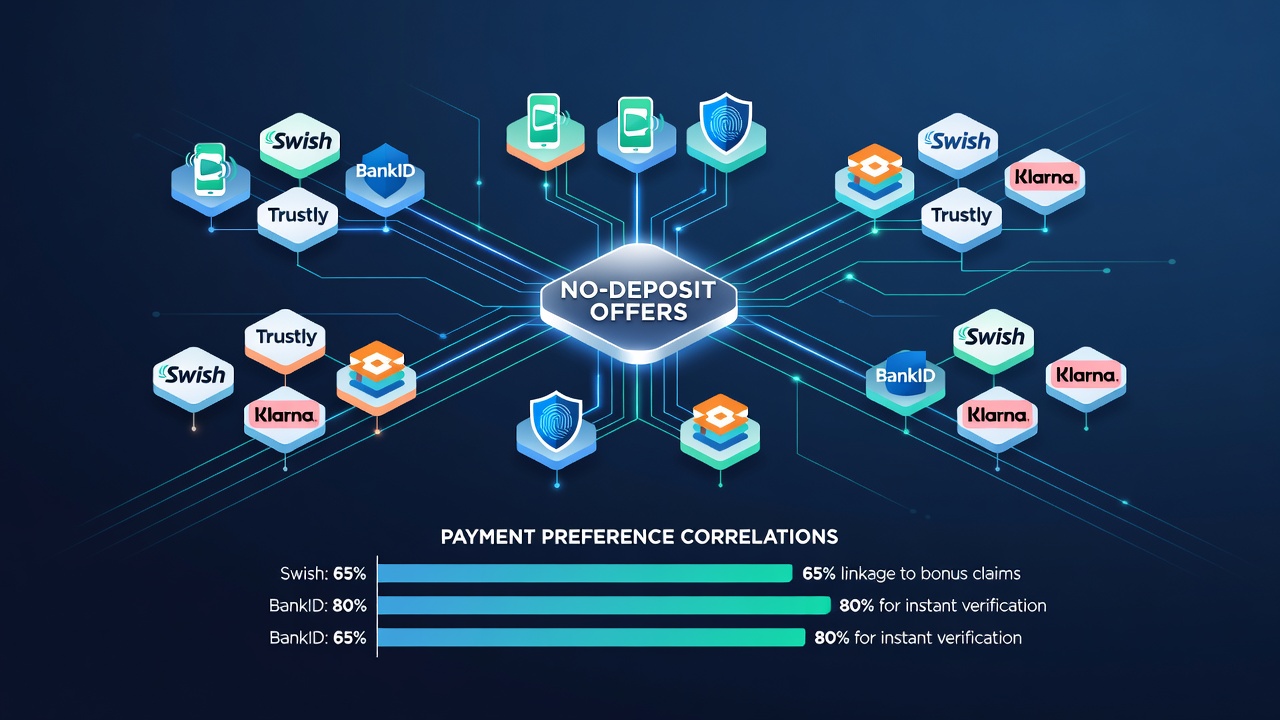
But here's the thing: once players establish a pattern with one payment method during the no-deposit stage, they rarely switch when progressing to deposited play. Platform analytics shared in regulatory summaries show sustained use of the initial choice, particularly when that method supports rapid withdrawal of any winnings generated from bonus funds. This continuity reflects the practical advantages of sticking with verified, mobile-optimized systems that already meet Spelinspektionen's compliance standards.
Seasonal and Platform-Specific Variations
Activity logs from September 2026 demonstrate slight upticks in no-deposit redemptions paired with instant payment methods during promotional periods, although overall distribution across providers remains stable year-round. Different applications display unique variations, with some emphasizing Trustly integrations that streamline both bonus claims and subsequent transactions. Data compiled by European gaming associations indicates these platform-level differences stem from technical partnerships rather than player-driven shifts, yet the end result still ties no-deposit engagement to the same narrow set of payment preferences.
Those who've examined transaction histories across multiple operators find that users who avoid no-deposit offers altogether distribute their activity more evenly across card and bank options, whereas no-deposit participants cluster around the fastest available methods. This distinction appears consistently in anonymized datasets released for compliance reviews.
Conclusion
The patterns connecting no-deposit offers to payment preferences in Sweden's licensed mobile gambling platforms rest on verifiable alignments between bonus structures and the technical capabilities of instant transfer systems. Regulatory data and platform records continue to document these relationships without deviation, providing clear insight into how players navigate regulated environments when starting with deposit-free incentives. As mobile adoption grows, these established linkages between offers and preferred payment methods remain central to understanding activity flows on licensed Swedish applications.