Regulatory Impacts on the Progression from Free Spins to Sustained VIP Engagement in Nordic Betting Applications
Yara Werner · Oct 26, 2026
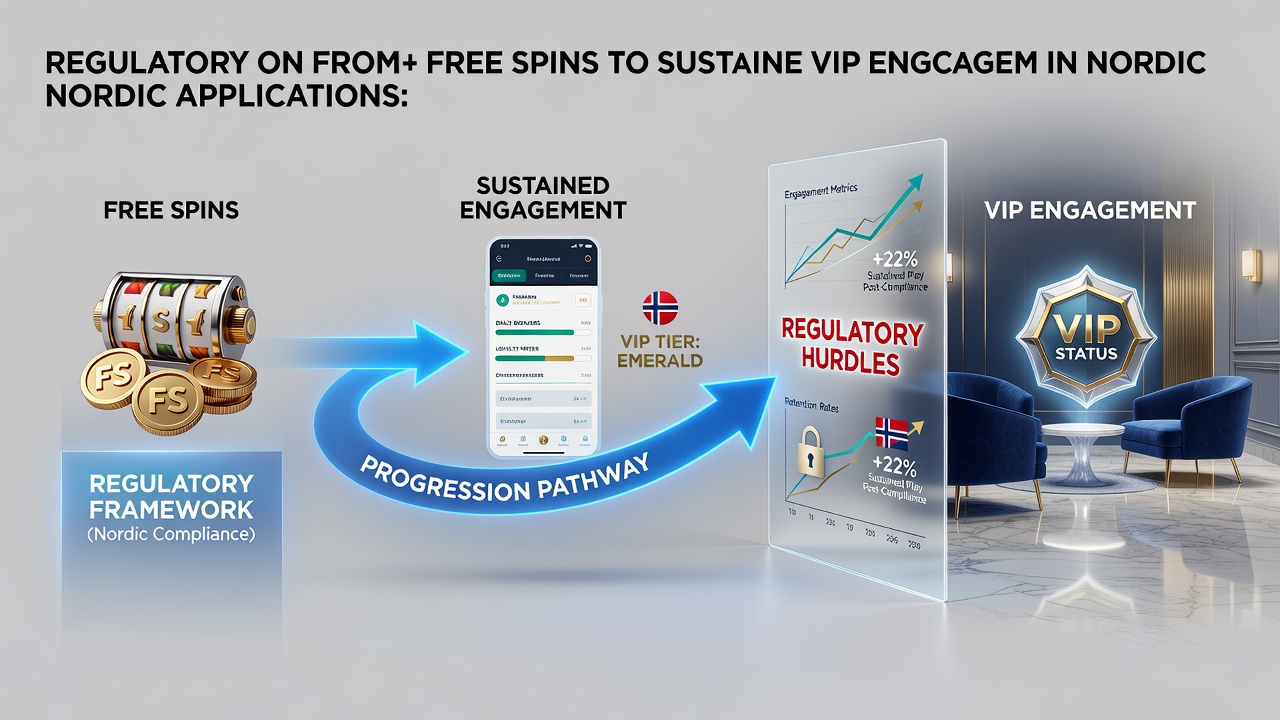
Regulatory Impacts on the Progression from Free Spins to Sustained VIP Engagement in Nordic Betting Applications
Regulatory frameworks across Nordic countries shape how betting applications handle the shift from initial free spins offers to longer-term VIP programs, with licensing conditions in Sweden, Denmark, and Norway imposing specific limits on promotional mechanics that influence player pathways. These rules require operators to integrate responsible gambling measures at every stage, which affects how free spins convert into ongoing activity and eventual tiered rewards. Data from national authorities shows that compliance structures determine the pacing of progression systems, requiring verification steps and spending thresholds before VIP status activates.
In October 2026, amendments to licensing protocols in multiple Nordic jurisdictions introduced tighter reporting on bonus conversion rates, compelling platforms to document how free spins lead to sustained deposits and engagement metrics. Observers note that these changes build on earlier directives that cap welcome incentives and mandate clear disclosure of wagering requirements, creating a more structured route from entry-level promotions to loyalty tiers. Studies from regional research bodies indicate that such transparency obligations have altered the design of mobile applications, where algorithms now track compliance alongside player behavior patterns.
Core Regulatory Mechanisms Affecting Initial Offers
Authorities in the region enforce rules that restrict the volume and type of free spins available without deposits, which directly impacts the starting point for user journeys toward VIP levels. Swedish licensing conditions, for instance, require operators to limit no-deposit incentives and tie them to account verification processes that feed into broader loyalty tracking systems. Similar provisions in Denmark and Finland emphasize audit trails for promotional funds, ensuring that any transition to paid play adheres to anti-money laundering standards. Figures from oversight agencies reveal that these mechanisms have standardized the early phases of engagement across licensed applications.
Operators must embed age verification and self-exclusion tools within the free spins workflow, which researchers have connected to higher retention rates once players reach VIP qualification stages. The process creates checkpoints that slow initial momentum yet establish data foundations for personalized loyalty rewards later. External analyses from industry reports confirm that platforms adapting to these checkpoints report more consistent progression pathways, where early compliance supports eligibility for sustained benefits.
Transition Pathways and Loyalty Program Constraints
Once free spins activity transitions into regular betting, regulations govern the accumulation of loyalty points and access to VIP tiers through mandatory contribution thresholds and periodic reviews. Nordic frameworks prohibit certain accelerated reward structures that could bypass spending requirements, forcing applications to align VIP perks with documented play history rather than promotional volume alone. This setup links initial spins directly to long-term engagement metrics tracked by regulatory portals.
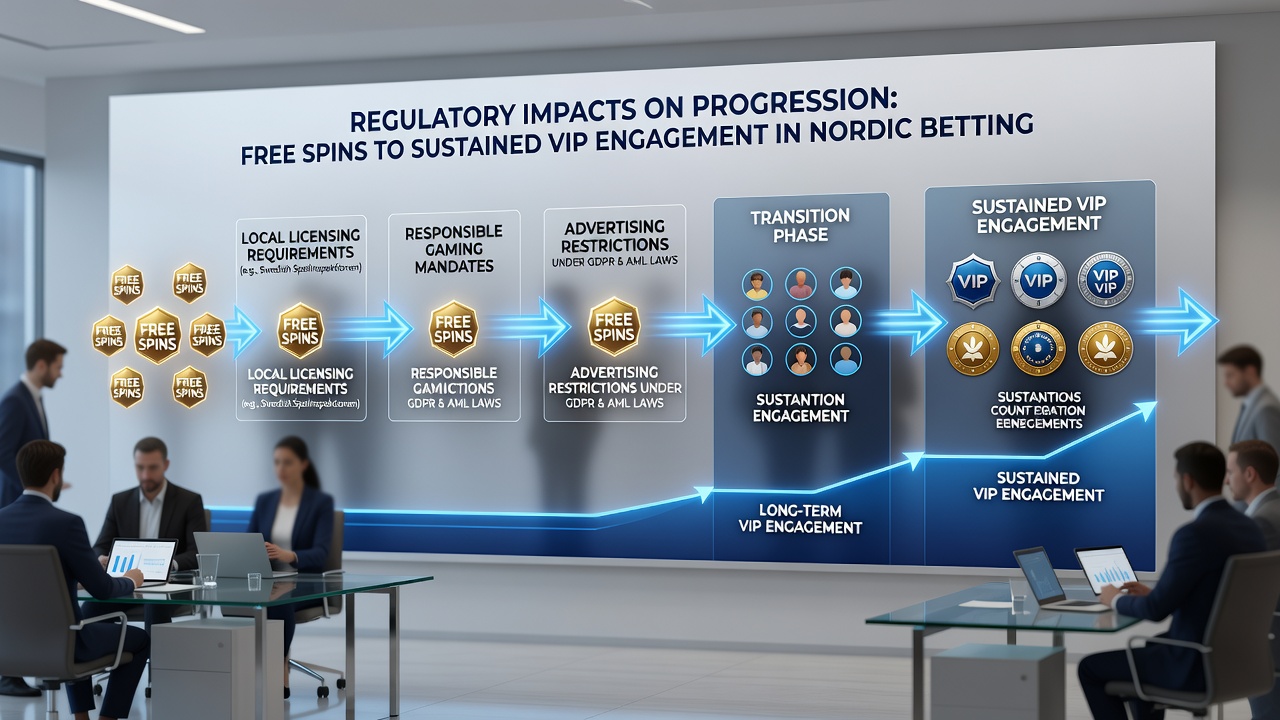
According to information published by Spelinspektionen, licensed entities must submit quarterly reports detailing how promotional tools convert into retained activity, with specific attention to VIP program inflows. These filings highlight connections between early free spins usage and later tier advancements, revealing patterns where regulatory caps on bonus values correlate with steadier, rather than abrupt, engagement growth. Platforms respond by refining mobile interfaces to display clear progress indicators that comply with disclosure mandates.
Additional oversight from bodies such as the Danish Gambling Authority extends to cross-border applications serving Nordic users, requiring harmonized rules on point expiration and redemption that affect VIP sustainability. Research papers from academic institutions in the region have examined these elements, finding that structured pathways reduce abrupt drop-offs between promotional phases and loyalty programs. The result appears in application updates that prioritize verifiable activity logs over rapid reward escalation.
October 2026 Developments and Platform Adaptations
Updates effective in October 2026 across several Nordic markets introduced enhanced data-sharing protocols between operators and regulators, focusing on VIP engagement derived from free spins origins. These protocols mandate granular tracking of player lifecycles, including how initial incentives influence multi-month retention and tier upgrades. Observers note that applications have incorporated automated compliance modules to monitor these flows without disrupting user experience.
Evidence from compliance audits indicates that operators investing in integrated systems achieve smoother transitions, where free spins data feeds directly into VIP qualification algorithms that respect spending and time-based criteria. Such adaptations maintain alignment with broader responsible gambling objectives while supporting the progression mechanics demanded by market conditions.
Conclusion
Regulatory structures in Nordic betting environments establish defined routes from free spins to VIP engagement by imposing verification, reporting, and threshold requirements that standardize player advancement. Information compiled through October 2026 shows these elements continue to guide application design and operational reporting across licensed platforms. The frameworks ensure that promotional entry points connect to sustained activity through documented, auditable processes rather than unregulated acceleration.